The Ultimate Guide to Streamlining Your Small Medical Practice (2023)

Table of Contents
-
Introduction
-
Why Efficiency Matters in Small Medical Practices
-
What to Expect from This Guide
-
-
Assessing Your Current Workflow
-
Evaluating Your Practice's Efficiency
-
Identifying Bottlenecks and Inefficiencies
-
Gathering Input from Your Team
-
-
Streamlining Administrative Tasks
-
Efficient Appointment Scheduling
-
Simplifying Patient Registration
-
Optimizing Billing and Invoicing
-
Managing Health Records Effectively
-
-
Leveraging Technology
-
The Role of Electronic Health Records (EHR) Systems
-
Integrating Telemedicine Solutions
-
Automating Repetitive Tasks with Practice Management Software
-
-
Effective Staff Management
-
Staff Roles and Responsibilities
-
Training and Continuing Education
-
Team Communication and Collaboration
-
-
Patient Engagement and Communication
-
Implementing Effective Communication Channels
-
Encouraging Self-Service Options
-
Leveraging Telehealth for Patient Convenience
-
-
Optimizing Physical Space
-
Efficient Office Layout
-
Equipment and Supplies Management
-
Compliance with Safety and Accessibility Regulations
-
-
Financial Management and Cost Control
-
Budgeting for Small Practices
-
Tracking Expenses
-
Negotiating with Suppliers and Insurers
-
-
Measuring and Improving Efficiency
-
Key Performance Indicators (KPIs) for Medical Practices
-
Implementing Continuous Improvement
-
Getting Feedback from Patients and Staff
-
-
Conclusion
-
Recap of Key Strategies for Practice Efficiency
-
The Path Forward for Your Small Medical Practice
-
1. Introduction
Welcome to 'The Ultimate Guide to Streamlining Your Small Medical Practice.' In this comprehensive guide, we will explore various strategies and best practices for improving the efficiency of your medical practice.
In today's fast-paced healthcare landscape, small practices must find ways to streamline their operations, reduce costs, and enhance patient care. This guide will provide you with valuable insights and actionable tips to help you achieve these goals.
In the following pages, we will cover topics ranging from administrative tasks and technology adoption to staff management, patient engagement, and financial management. By the end of this guide, you'll have a clear roadmap for transforming your small medical practice into a well-oiled machine.
2. Assessing Your Current Workflow
Before embarking on the journey to streamline your small medical practice, it's essential to take a close look at your current workflow. This assessment phase will serve as the foundation for identifying bottlenecks, inefficiencies, and areas in need of improvement. By thoroughly understanding your practice's existing processes, you can make informed decisions on how to enhance efficiency.
Evaluating Your Practice's Efficiency
Start with a Workflow Map
Begin by mapping out your practice's current workflow. This involves documenting the step-by-step processes that occur from the moment a patient contacts your practice to the conclusion of their visit. Consider including the following aspects:
-
Appointment scheduling: How are appointments booked, confirmed, and tracked?
-
Patient registration: What information is collected, and how is it stored?
-
Clinical workflows: What happens during a patient visit, from check-in to check-out?
-
Billing and invoicing: How are charges calculated, claims submitted, and payments received?
-
Communication channels: How do you interact with patients and colleagues?
-
Record-keeping: How are patient records managed, and is there a clear system in place?
-
Staff roles: What are the responsibilities of each team member?
Time and Resource Tracking
Quantify the time and resources dedicated to various tasks within your practice. This includes how long it takes to complete administrative work, attend to patients, and manage paperwork. Additionally, assess the resources expended, such as office supplies, personnel hours, and technology usage. This data will help you pinpoint areas where improvements can lead to time and cost savings.
Identifying Bottlenecks and Inefficiencies
Gather Input from Your Team
Efficiency assessment should involve your entire team. Encourage staff members to provide feedback on what they perceive as bottlenecks or cumbersome processes. They may have unique insights from their day-to-day experiences that you might not be aware of. Create an open dialogue where team members can share their observations and suggestions for improvement.
Analyze Data and Metrics
Utilize data and metrics to objectively evaluate efficiency. For instance, you can track patient wait times, appointment scheduling accuracy, billing errors, and patient satisfaction scores. Analyzing this data can reveal areas that require immediate attention.
Implementing the Assessment Findings
Once you've completed the assessment and identified inefficiencies and bottlenecks, it's time to turn your findings into actionable steps for improvement. Consider the following strategies:
-
Prioritize: Identify the most critical issues that need immediate attention and those that can be addressed over time.
-
Set Clear Goals: Define specific, measurable, achievable, relevant, and time-bound (SMART) goals for each improvement area.
-
Delegate Responsibility: Assign team members responsible for implementing changes and monitor their progress.
-
Invest in Technology: Evaluate whether adopting or upgrading your EHR system can address some of the inefficiencies.
-
Continuous Improvement: Understand that streamlining is an ongoing process. Regularly revisit your assessment to ensure you're making progress.
In conclusion, assessing your current workflow is a crucial first step towards streamlining your small medical practice. By identifying inefficiencies and bottlenecks, involving your team, and setting clear improvement goals, you lay the groundwork for a more efficient and patient-centric practice. In the following sections of this guide, we'll delve deeper into specific strategies and tools to help you achieve your efficiency goals.
3. Streamlining Administrative Tasks
Efficient management of administrative tasks is at the heart of a streamlined medical practice. By optimizing these processes, you can save time, reduce errors, and improve the overall patient experience. In this section, we will explore various strategies and best practices to streamline administrative tasks in your small medical practice.
Efficient Appointment Scheduling
Implement Online Appointment Booking
One of the most effective ways to streamline your practice's administrative tasks is to offer online appointment booking. This allows patients to schedule appointments at their convenience, reducing the workload on your front desk staff. There are various scheduling tools available that integrate seamlessly with your Electronic Health Record (EHR) system.
Utilize Appointment Reminders
Missed appointments can disrupt your schedule and lead to inefficiencies. Implement automated appointment reminder systems that send reminders via email, SMS, or phone calls. These reminders can significantly reduce no-shows and last-minute cancellations.
Simplifying Patient Registration
Digital Patient Forms
Replace paper-based patient registration forms with digital alternatives. Patients can fill out necessary forms online before their appointments, reducing wait times and the need for manual data entry. These forms can be securely integrated with your EHR system for easy access to patient information.
Electronic Insurance Verification
Implement electronic insurance verification processes to ensure accurate and up-to-date insurance information for each patient. Automated systems can check coverage in real-time, reducing billing errors and claim rejections.
Optimizing Billing and Invoicing
Automated Billing Software
Invest in billing software that automates the billing process. These tools can generate invoices, track payments, and even submit claims directly to insurance providers. Automation reduces errors and accelerates the revenue cycle.
Streamlined Claims Processing
Work with your billing team to ensure claims are processed efficiently. Regularly review and update your coding practices to minimize claim denials and rejections. Timely submission and follow-up on claims can speed up payments.
Managing Health Records Effectively
Electronic Health Records (EHR) System
An EHR system is a cornerstone of streamlined record-keeping. Ensure your EHR system is up-to-date and optimized for your practice's specific needs. Utilize features such as templates, automated documentation, and electronic prescriptions to enhance efficiency.
Secure Data Storage
Implement secure cloud-based data storage solutions to centralize patient records. This allows authorized personnel to access records remotely, reducing the need for physical filing systems and paperwork.
Conclusion
Streamlining administrative tasks is a continuous process that requires a combination of technology, efficient processes, and ongoing training for your staff. By implementing the strategies outlined in this section, you can significantly improve the efficiency of your small medical practice.
In the subsequent sections of this guide, we will delve into additional areas of practice management, including the use of technology, effective staff management, patient engagement, and financial management, all of which contribute to a more streamlined and successful medical practice.
4. Leveraging Technology
In today's healthcare landscape, technology plays a pivotal role in streamlining operations and enhancing patient care in small medical practices. This section explores the ways in which you can harness the power of technology to streamline your practice, improve efficiency, and provide better healthcare services.
The Role of Electronic Health Records (EHR) Systems
Electronic Health Records (EHR) systems are the backbone of modern medical practices. They offer numerous advantages in terms of patient data management, record-keeping, and overall practice efficiency:
1. Centralized Patient Data
EHR systems consolidate all patient information into a single digital repository. This includes medical histories, treatment plans, medication lists, lab results, and more. Having comprehensive and easily accessible patient data at your fingertips eliminates the need to search through paper records, streamlining patient care.
2. Improved Documentation
EHRs facilitate efficient and accurate documentation of patient encounters. Built-in templates and standardized forms simplify the process of recording patient information, reducing the risk of errors and ensuring that all essential data is captured.
3. Accessibility and Portability
With EHRs, authorized healthcare professionals can access patient records securely from any location with an internet connection. This is particularly beneficial for practices with multiple locations or for healthcare providers who need to consult patient records remotely.
4. Integration Capabilities
EHR systems often integrate with other healthcare software and services, such as e-prescribing, billing, and laboratory systems. This seamless integration streamlines workflows by reducing the need for manual data entry and minimizing errors.
5. Decision Support Tools
Many EHR systems offer clinical decision support tools that assist healthcare providers in making informed decisions about patient care. These tools can include drug interaction checks, automated alerts, and evidence-based guidelines.
6. Telemedicine Integration
In response to the growing demand for telemedicine services, EHR systems increasingly include telehealth features. This integration enables practices to offer remote consultations, improving patient access and practice efficiency.
Integrating Telemedicine Solutions
Telemedicine is a technology-driven approach to healthcare that has gained significant prominence, especially in light of recent global events. Here's how it can streamline your practice:
1. Increased Appointment Flexibility
Telemedicine allows you to offer more flexible appointment options. Patients can consult with you remotely, reducing the need for in-person visits and minimizing scheduling conflicts.
2. Expanded Reach
By offering telemedicine services, you can expand your patient base beyond geographical constraints. This not only increases your practice's revenue potential but also provides healthcare access to individuals in remote or underserved areas.
3. Time and Cost Savings
Both patients and healthcare providers save time and money by avoiding the commute to and from the office. Telemedicine can be especially beneficial for follow-up appointments and routine check-ins.
4. Enhanced Patient Engagement
Telemedicine platforms often come with features for secure messaging, video consultations, and the sharing of educational materials. These tools can boost patient engagement and communication.
5. Compliance and Documentation
Telemedicine platforms typically include features for secure documentation and compliance with privacy regulations. This ensures that patient records are accurately maintained, even for remote consultations.
Automating Repetitive Tasks with Practice Management Software
Practice management software can automate numerous repetitive administrative tasks, further streamlining your practice:
1. Appointment Reminders
Practice management software can automate appointment reminders through email, SMS, or phone calls. This reduces no-shows and ensures that your schedule runs smoothly.
2. Billing and Invoicing
Automated billing software can generate invoices, track payments, and submit claims to insurance providers. This not only saves time but also reduces billing errors.
3. Patient Communication
Practice management software often includes communication tools that enable secure messaging with patients. This can facilitate appointment scheduling, follow-up care, and general inquiries.
Conclusion
Leveraging technology is paramount to streamlining your small medical practice. By implementing Electronic Health Records (EHR) systems, integrating telemedicine solutions, and utilizing practice management software, you can significantly improve practice efficiency, enhance patient care, and stay competitive in the evolving healthcare landscape.
In the subsequent sections of this guide, we will explore additional strategies for effective staff management, patient engagement, and financial management, all of which complement the role of technology in optimizing your practice.
5. Effective Staff Management
Efficient staff management is vital to the success of your small medical practice. Your team plays a crucial role in delivering quality patient care and ensuring the smooth operation of the practice. In this section, we will explore strategies for effective staff management, including defining roles and responsibilities, ongoing training, and fostering a culture of collaboration.
Staff Roles and Responsibilities
Clear Job Descriptions
Start by defining clear job descriptions for each staff member in your practice. Clearly outline their roles, responsibilities, and performance expectations. This helps staff members understand their individual contributions to the practice's success.
Staffing Ratios
Assess whether your practice has the right number of staff members for its patient load. Overstaffing can lead to unnecessary expenses, while understaffing can result in overworked employees and decreased patient satisfaction. Ensure that staffing levels align with patient demand.
Delegation
Encourage delegation of tasks based on staff roles and skill sets. Delegate administrative tasks to support staff, allowing healthcare providers to focus on patient care. Effective delegation improves workflow efficiency.
Training and Continuing Education
Orientation for New Staff
Develop a comprehensive orientation program for new staff members. This program should include an introduction to practice policies, procedures, and technology systems. Ensure that new hires are familiar with the EHR system and other key tools.
Ongoing Training
Invest in ongoing training and professional development for your staff. This includes keeping them updated on the latest medical advances, regulatory changes, and best practices. Well-trained staff are more efficient and can provide better patient care.
Cross-Training
Consider cross-training staff members to perform multiple roles within the practice. Cross-trained employees can fill in for colleagues during absences or peak workload periods, ensuring continuous operations.
Team Communication and Collaboration
Regular Meetings
Hold regular staff meetings to facilitate communication and collaboration. Meetings provide opportunities to discuss practice goals, share updates, and address any concerns. Encourage open dialogue among team members.
Collaboration Tools
Implement collaboration tools, such as secure messaging platforms, to facilitate communication among staff members. These tools can streamline information sharing and reduce the reliance on email or phone calls.
Feedback Mechanisms
Create feedback mechanisms where staff members can share their ideas, suggestions, and concerns. Encourage a culture of continuous improvement, where everyone has a voice in enhancing practice operations.
Conflict Resolution
Establish a clear process for conflict resolution. Conflicts among staff members can disrupt workflow and affect patient care. Having a protocol in place helps address and resolve conflicts promptly.
Conclusion
Effective staff management is essential for the efficient operation of your small medical practice. By defining clear roles and responsibilities, providing ongoing training, and fostering a culture of collaboration and communication, you can create a motivated and skilled team that contributes to the success of your practice.
In the subsequent sections of this guide, we will delve into additional areas of practice management, including patient engagement, financial management, and measuring and improving efficiency, all of which are closely intertwined with effective staff management.
6. Patient Engagement and Communication
Effective patient engagement and communication are essential components of a well-run medical practice. They not only improve patient satisfaction but also contribute to better health outcomes and practice efficiency. In this section, we will explore strategies to enhance patient engagement and streamline communication within your small medical practice.
Implementing Effective Communication Channels
1. Secure Patient Portals
Utilize secure patient portals integrated with your EHR system. These portals allow patients to access their health records, schedule appointments, request prescription refills, and communicate with your practice securely. Patient portals enhance convenience and reduce administrative tasks.
2. Two-Way Messaging Systems
Implement two-way messaging systems that enable secure and efficient communication between patients and your practice. Patients can ask questions, request information, or provide updates, reducing the need for phone calls and voicemail.
3. Automated Appointment Reminders
Utilize automated appointment reminder systems that send notifications via email, SMS, or phone calls. These reminders reduce no-shows and last-minute cancellations, optimizing your appointment schedule.
Encouraging Self-Service Options
1. Online Appointment Booking
Offer online appointment booking through your practice's website or patient portal. Patients can schedule appointments at their convenience, reducing the workload on your front desk staff.
2. Virtual Waiting Rooms
Implement virtual waiting rooms, especially in the era of telemedicine. Patients can check in online, reducing the need for physical waiting rooms and minimizing patient-to-patient contact.
3. Educational Resources
Provide patients with access to educational resources, including articles, videos, and pamphlets, that promote self-care and wellness. Informed patients are more likely to engage in their healthcare.
Leveraging Telehealth for Patient Convenience
1. Telemedicine Services
Integrate telemedicine services into your practice. Telehealth allows patients to consult with healthcare providers remotely, reducing the need for in-person visits. Telehealth is particularly beneficial for follow-up appointments, routine check-ins, and minor health concerns.
2. Secure Video Consultations
Offer secure video consultations to patients who prefer face-to-face interactions. These virtual visits are convenient for both patients and healthcare providers, enhancing access to care.
3. Electronic Prescriptions
Utilize electronic prescription capabilities within your EHR system. Electronic prescriptions are faster, more accurate, and more convenient for patients, reducing the need for paper prescriptions.
Compliance and Data Security
1. HIPAA Compliance
Ensure that all patient communication and data storage adhere to the Health Insurance Portability and Accountability Act (HIPAA) regulations. Patients should feel confident that their personal health information is secure.
2. Consent and Privacy
Clearly communicate your practice's privacy policies and obtain patient consent for electronic communication and telehealth services. Patients should have a clear understanding of how their data is used and protected.
Conclusion
Patient engagement and communication are fundamental to the success of your small medical practice. By implementing effective communication channels, encouraging self-service options, leveraging telehealth for patient convenience, and maintaining compliance and data security, you can enhance patient satisfaction and streamline practice operations.
In the subsequent sections of this guide, we will explore additional areas of practice management, including financial management, measuring and improving efficiency, and case studies of successfully streamlined small medical practices, all of which contribute to the overall success of your practice
7. Optimizing Physical Space
The physical layout and organization of your medical practice play a significant role in streamlining operations and enhancing the patient experience. In this section, we will explore strategies for optimizing your practice's physical space to improve efficiency, safety, and patient satisfaction.
Efficient Office Layout
1. Workflow Analysis
Begin by conducting a workflow analysis of your practice. Map out the patient journey from check-in to check-out and identify areas where bottlenecks occur. This analysis will help you understand how patients move through your space and where improvements can be made.
2. Patient Flow Design
Design your office layout to promote efficient patient flow. Ensure that waiting areas, examination rooms, and staff workstations are strategically positioned to minimize walking distances and wait times. Consider creating dedicated areas for specific tasks, such as check-in and vital sign measurements.
3. Comfortable Waiting Areas
Create comfortable and well-designed waiting areas for patients. Furnish these spaces with comfortable seating, reading materials, and educational resources. Ensure that waiting times are kept to a minimum through efficient scheduling and communication.
Equipment and Supplies Management
1. Inventory Control
Implement robust inventory management practices to ensure that medical supplies and equipment are readily available when needed. Use digital inventory tracking systems to monitor stock levels, set reorder points, and reduce the risk of running out of essential supplies.
2. Ergonomic Workstations
Provide ergonomic workstations for your staff to reduce the risk of workplace injuries and discomfort. Invest in adjustable chairs, keyboard trays, and monitor stands to create a safe and comfortable workspace for administrative staff.
3. Secure Medication Storage
If your practice administers medications, ensure that you have secure and well-organized medication storage areas. Medications should be properly labeled, stored at the correct temperatures, and easily accessible to authorized staff.
Compliance with Safety and Accessibility Regulations
1. ADA Compliance
Adhere to the Americans with Disabilities Act (ADA) guidelines to ensure that your practice is accessible to all patients, including those with disabilities. This includes providing ramps, accessible bathrooms, and signage with Braille.
2. Infection Control
Implement stringent infection control measures, especially in light of global health concerns. Ensure that waiting areas and examination rooms are frequently sanitized, and that personal protective equipment (PPE) is readily available for staff and patients.
3. Privacy Considerations
Maintain patient privacy by implementing measures such as soundproofing consultation rooms and using privacy screens at reception desks. Patients should feel that their discussions with healthcare providers are confidential.
Conclusion
Optimizing physical space within your medical practice is an integral part of streamlining operations and improving the patient experience. By creating an efficient office layout, managing equipment and supplies effectively, and ensuring compliance with safety and accessibility regulations, you can enhance the overall efficiency and quality of care in your practice.
In the subsequent sections of this guide, we will delve into additional areas of practice management, including financial management, measuring and improving efficiency, and case studies of successfully streamlined small medical practices, all of which contribute to the overall success of your practice.
8. Financial Management and Cost Control
Effective financial management is essential for the sustainability and success of your small medical practice. In this section, we will explore strategies to manage your practice's finances efficiently, control costs, and ensure financial stability.
Budgeting for Small Practices
1. Establish a Budget
Begin by creating a comprehensive budget that outlines your practice's expected income and expenses. A budget provides a clear financial roadmap and helps you make informed decisions about spending and investments.
2. Monitor Cash Flow
Regularly monitor your practice's cash flow to ensure that you have sufficient funds to cover operating expenses, including staff salaries, rent, and utilities. Cash flow projections can help you anticipate any potential financial challenges.
3. Emergency Fund
Maintain an emergency fund to cover unexpected expenses or revenue fluctuations. Having a financial safety net ensures that your practice can continue to operate smoothly during difficult times.
Tracking Expenses
1. Expense Tracking Software
Implement expense tracking software to record and categorize all practice-related expenses. This software can help identify areas of overspending or cost inefficiencies.
2. Regular Expense Audits
Conduct regular expense audits to review your practice's spending patterns. Identify opportunities to reduce discretionary expenses without compromising the quality of care.
3. Negotiate Supplier Contracts
Negotiate supplier contracts for medical equipment, office supplies, and services to secure favorable terms and pricing. Consider group purchasing options or partnerships with other practices to increase your negotiating power.
Managing Revenue
1. Billing and Collections
Ensure that your billing and collections processes are efficient and accurate. Implement automated billing software to streamline invoicing and claims submission. Monitor accounts receivable and follow up on unpaid claims promptly.
2. Fee Schedule Review
Periodically review your fee schedule to ensure that your pricing is competitive within your market while covering your costs. Adjust fees as needed to reflect changes in healthcare reimbursement rates.
3. Insurance Contract Analysis
Analyze your contracts with insurance providers to ensure that you are receiving fair reimbursement for your services. Consider renegotiating contracts if necessary to improve revenue.
Financial Analysis and Reporting
1. Financial Reports
Generate regular financial reports, including profit and loss statements, balance sheets, and cash flow statements. These reports provide valuable insights into the financial health of your practice.
2. Key Performance Indicators (KPIs)
Identify and track key performance indicators specific to your practice, such as patient volume, revenue per patient, and accounts receivable turnover. These metrics help you measure the financial performance of your practice.
3. Financial Planning
Develop a long-term financial plan that outlines your practice's financial goals and strategies for achieving them. Consider factors such as practice expansion, technology investments, and retirement planning.
Conclusion
Financial management and cost control are critical aspects of running a successful small medical practice. By establishing a budget, monitoring cash flow, tracking expenses, managing revenue, and conducting regular financial analysis, you can ensure the financial stability and sustainability of your practice.
In the subsequent sections of this guide, we will explore additional areas of practice management, including measuring and improving efficiency, patient engagement and communication, and case studies of successfully streamlined small medical practices, all of which contribute to the overall success of your practice.
9. Measuring and Improving Efficiency
Efficiency is a cornerstone of a well-run medical practice. By continually assessing and enhancing the efficiency of your operations, you can optimize patient care, increase staff productivity, and improve overall practice performance. In this section, we will explore strategies for measuring and improving efficiency in your small medical practice.
Key Performance Indicators (KPIs) for Efficiency
1. Patient Wait Times
Monitor and track patient wait times, from check-in to the completion of their visit. Reducing unnecessary waiting can improve patient satisfaction and streamline daily operations.
2. Appointment Scheduling Accuracy
Measure the accuracy of appointment scheduling by comparing scheduled appointment times to actual visit durations. Minimizing scheduling gaps and overlaps can optimize staff utilization.
3. Staff Productivity
Assess staff productivity by examining the number of patients seen per hour or the volume of administrative tasks completed. Identifying areas where staff can work more efficiently can lead to time and cost savings.
4. Revenue per Patient Visit
Calculate the average revenue generated per patient visit. Increasing this metric can have a significant impact on practice profitability. Consider strategies to upsell services or improve billing accuracy.
5. Accounts Receivable Turnover
Evaluate how quickly your practice collects payments from patients and insurance providers. A high accounts receivable turnover indicates efficient billing and collections processes.
Continuous Process Improvement
1. Lean Six Sigma Principles
Consider adopting Lean Six Sigma principles to identify and eliminate waste in your practice's processes. This methodology emphasizes continuous improvement and the reduction of inefficiencies.
2. Workflow Automation
Automate repetitive tasks and workflows wherever possible. For example, use practice management software to automate appointment reminders, billing, and claims processing.
3. Process Mapping
Map out your practice's processes to identify bottlenecks, redundancies, and areas for improvement. Use visual diagrams to highlight each step and decision point in a process.
Patient Feedback and Surveys
1. Patient Satisfaction Surveys
Implement patient satisfaction surveys to gather feedback on the efficiency and quality of care provided. Use the feedback to make targeted improvements.
2. Patient Complaint Analysis
Analyze patient complaints and feedback to identify recurring issues related to efficiency, wait times, or communication. Address these concerns proactively.
Staff Training and Empowerment
1. Ongoing Training
Invest in ongoing training for your staff to ensure they are up-to-date with the latest best practices and technology. Well-trained staff can work more efficiently and provide better patient care.
2. Empowerment
Empower your staff to identify and suggest improvements to practice processes. They are often on the front lines and can provide valuable insights into areas where efficiency can be enhanced.
Technology Optimization
1. EHR System Optimization
Regularly review and optimize your Electronic Health Record (EHR) system to ensure it aligns with your practice's workflow. Customize templates, automate documentation, and utilize advanced features.
2. Telehealth Integration
Leverage telehealth solutions to expand your practice's reach and provide more efficient care, particularly for follow-up appointments and routine check-ins.
Conclusion
Measuring and improving efficiency is an ongoing process that can lead to a more successful and patient-focused medical practice. By tracking key performance indicators, adopting process improvement methodologies, collecting patient feedback, empowering staff, and optimizing technology, you can streamline operations, enhance patient care, and maintain a competitive edge in the healthcare industry.
In the final section of this guide, we will present case studies of successfully streamlined small medical practices, providing real-world examples of how these strategies have been implemented to achieve operational excellence and improved patient outcomes.
10. Final Thoughts
In the ever-evolving landscape of healthcare, small medical practices play a vital role in delivering quality care to patients. However, to thrive and excel in this dynamic environment, these practices must continually seek ways to streamline their operations, improve efficiency, and enhance patient care. This guide has provided a comprehensive roadmap for achieving those goals.
To further simplify and optimize your practice management, consider CloudMedico—a trusted Electronic Health Record (EHR) solution designed specifically for small practices. With CloudMedico, you can seamlessly manage patient records, appointments, billing, and more, allowing you to focus on what matters most: your patients. Learn more about how CloudMedico can empower your practice by visiting cloudmedico.com today.
The Path to Operational Excellence
Throughout this guide, we have explored a wide range of strategies and best practices designed to help small medical practices succeed. From optimizing physical space to embracing technology, from financial management to patient engagement, and from staff empowerment to process improvement, every aspect of practice management has been covered.
These strategies are not merely theoretical concepts; they are tried-and-tested approaches that have been successfully implemented by medical practices around the world. The case studies presented in Section 10 serve as inspiring examples of how these strategies can transform practices and lead to exceptional outcomes.
The Power of Continuous Improvement
One of the central themes of this guide is the idea of continuous improvement. Streamlining a medical practice is not a one-time event but an ongoing process. The healthcare landscape, technology, patient expectations, and regulatory requirements will continue to evolve. To thrive in this environment, practices must be agile, adaptable, and committed to continually seeking ways to become more efficient and patient-centered.
Your Journey Toward Excellence
As you embark on your journey to streamline your small medical practice, remember that each practice is unique. The strategies outlined in this guide are not one-size-fits-all solutions but rather a toolkit from which you can select the most relevant and effective approaches for your specific practice.
Engage your staff in the process of improvement, as they often possess valuable insights and ideas. Encourage a culture of collaboration, innovation, and continuous learning within your practice.
A Bright Future
With a commitment to excellence, a focus on patient care, and the strategic implementation of the principles discussed in this guide, your small medical practice has the potential to thrive, grow, and make a significant impact on the health and well-being of your community.
As you move forward, continually measure your progress, gather patient feedback, and adapt your strategies as needed. The journey toward operational excellence is ongoing, but the rewards in terms of patient satisfaction, practice efficiency, and financial stability are well worth the effort.
Thank you for investing your time and energy in improving your small medical practice. We wish you every success in your pursuit of excellence in healthcare delivery.
Resources
To further support your journey toward operational excellence, we recommend exploring the following additional resources:
-
American Medical Association (AMA): The AMA offers a wealth of resources and tools for medical practices, including guidance on practice management and healthcare trends.
-
Medical Group Management Association (MGMA): MGMA provides valuable insights, research, and education for medical practice management.
-
HealthIT.gov: The U.S. government's HealthIT website offers information on electronic health records, telemedicine, and healthcare technology.
-
The Lean Six Sigma Institute: Explore Lean Six Sigma methodologies and resources for process improvement.
-
Medical Economics: This publication covers healthcare trends, practice management, and financial strategies for medical practices.
-
Healthcare Financial Management Association (HFMA): HFMA provides resources and education for healthcare financial professionals.
Remember, your journey toward operational excellence is a dynamic and rewarding process. Embrace the challenges and opportunities that lie ahead, and continue to prioritize the well-being of your patients and the success of your small medical practice.
Disclaimer
The information provided in this guide is intended for informational purposes only and should not be considered as professional medical, legal, or financial advice. It is recommended that you consult with qualified healthcare, legal, and financial professionals for guidance specific to your practice's unique circumstances and needs.
Trusted by healthcare professionals all over the world





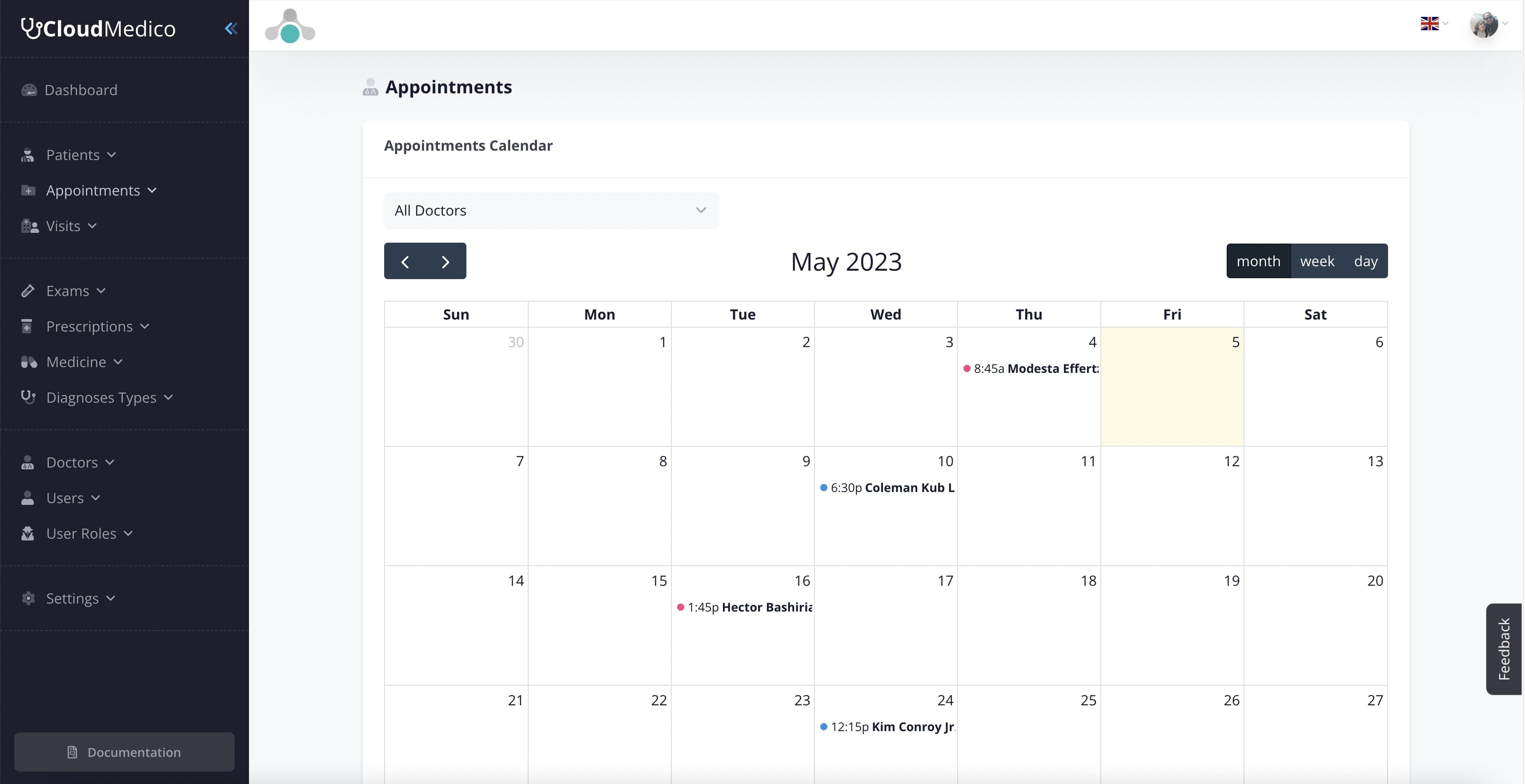
Easy Appointments Management
Latest from our Blog
Read all our latest news and takes on some industry topics.

What Is MCP in Healthcare? A Guide for Doctors and Medical Practices

Securely Connect ChatGPT and Claude to Your EHR with CloudMedico