Boosting Efficiency and Patient Care: The Benefits of Using an EHR System

In today's digital age, healthcare providers are embracing technology to streamline their operations and enhance patient care. One such technology revolutionizing the healthcare industry is the Electronic Health Record (EHR) system. This article explores the numerous benefits that healthcare providers can gain by adopting an EHR system.
Improved Efficiency and Workflow
Implementing an EHR system significantly improves the efficiency of healthcare practices. With electronic records, healthcare providers can quickly access patient information, eliminating the need for searching through stacks of paper files. This streamlined workflow saves time, enhances productivity, and enables healthcare professionals to focus more on patient care.
Enhanced Patient Care and Safety
EHR systems promote better patient care and safety by ensuring accurate and up-to-date medical information is readily available. Healthcare providers can access comprehensive patient records, including medical history, diagnoses, medications, and allergies, enabling them to make well-informed decisions quickly. This real-time access to critical information helps prevent medical errors and supports evidence-based care.
Seamless Communication and Collaboration
EHR systems facilitate seamless communication and collaboration among healthcare providers. Authorized personnel can securely share patient information, test results, and treatment plans, promoting coordinated care. This interoperability enhances care coordination between different specialists, reduces duplicate tests, and minimizes gaps in communication, leading to better patient outcomes.
Efficient Documentation and Billing
EHR systems automate the documentation process, eliminating the need for manual record-keeping and paperwork. Providers can efficiently capture patient encounters, document diagnoses, treatments, and procedures. Automated coding and billing features ensure accurate and timely claim submissions, reducing errors and improving revenue cycles for healthcare practices.
Data Analytics and Decision Support
EHR systems offer powerful data analytics and reporting capabilities. Providers can generate comprehensive reports on patient populations, outcomes, and trends. This data-driven insight helps in identifying opportunities for quality improvement, optimizing resource allocation, and implementing evidence-based practices. Decision support tools integrated into EHR systems offer alerts, reminders, and clinical guidelines, empowering healthcare professionals to make informed decisions at the point of care.
Secure Data Storage and Privacy
EHR systems provide secure data storage, ensuring patient information remains confidential and protected. Advanced security measures, such as encryption and role-based access controls, safeguard patient data from unauthorized access. Compliance with privacy regulations, such as HIPAA, ensures patient trust and maintains the integrity of the healthcare provider's reputation.
Conclusion
Implementing an EHR system offers numerous benefits to healthcare providers, ranging from improved efficiency and workflow to enhanced patient care and safety. The digital transformation of healthcare practices through EHR systems allows for seamless communication, efficient documentation, data-driven decision-making, and secure data storage. By adopting an EHR system, healthcare providers can optimize their operations, deliver high-quality care, and stay at the forefront of the rapidly evolving healthcare landscape.
Trusted by healthcare professionals all over the world





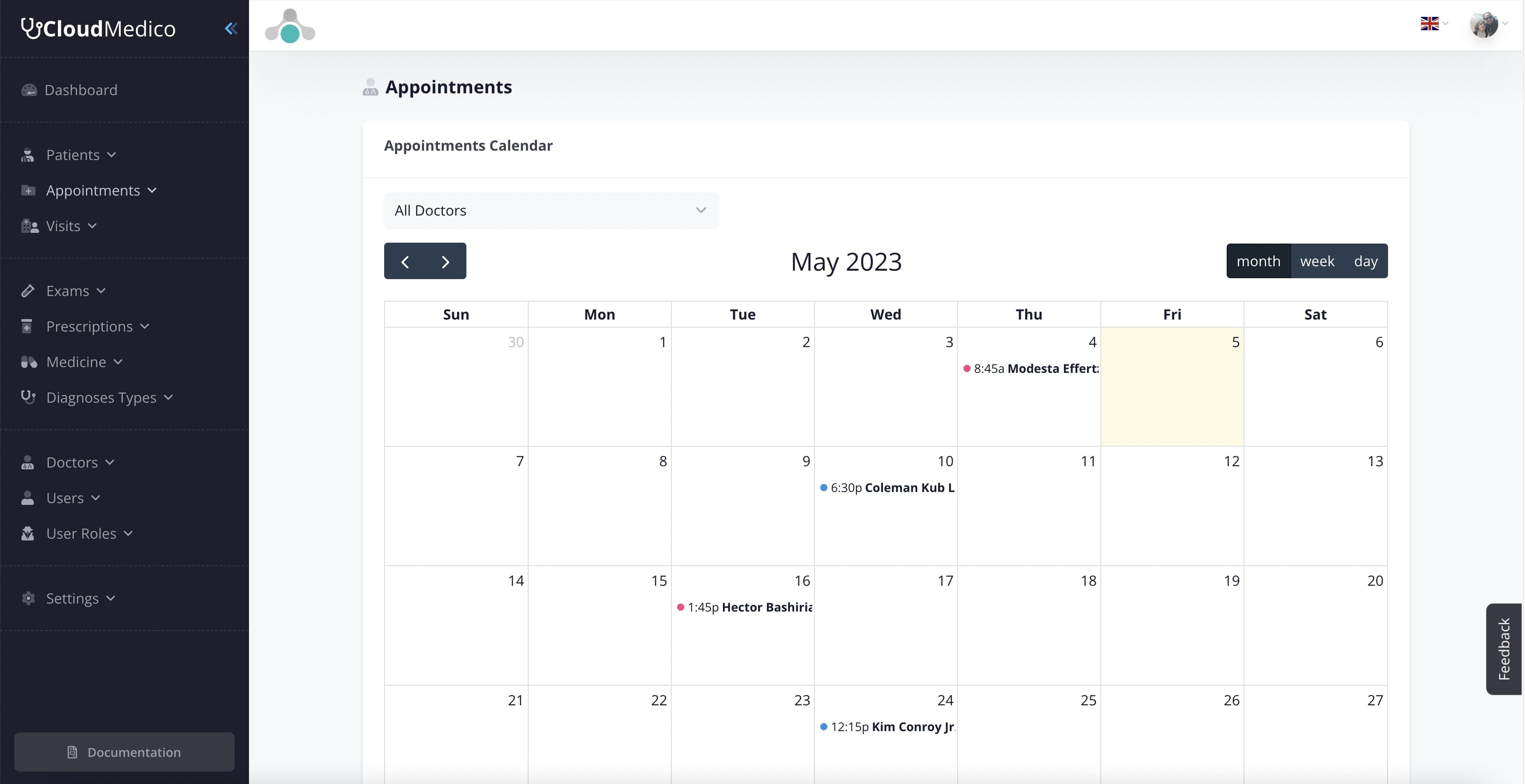
Easy Appointments Management
Latest from our Blog
Read all our latest news and takes on some industry topics.
What Is MCP in Healthcare? A Guide for Doctors and Medical Practices
Securely Connect ChatGPT and Claude to Your EHR with CloudMedico