Choosing the right Electronic Medical Record (EMR) system can be a daunting task for small practices. The market is flooded with healthcare software solutions, each promising to revolutionize your practice.
But how do you cut through the noise and find the right fit for your unique needs?
This guide aims to help small practice owners and healthcare professionals navigate the complex world of EMR systems. We'll explore key considerations, from cost implications to data security, to help you make an informed decision.
Stay tuned to learn how to choose an EMR system that can streamline your operations and enhance patient care.
Understanding EMR and Its Significance for Small Practices
An Electronic Medical Record (EMR) system is a digital version of the paper charts in a clinician’s office. It holds essential patient information, helping medical professionals deliver better healthcare.
For small practices, EMRs can significantly improve efficiency and patient care. They reduce paperwork and streamline processes, allowing providers to focus on what matters most—patient well-being. The right EMR is crucial for enhancing practice management and ensuring regulatory compliance.
Key Benefits of Implementing an EMR System
Implementing an EMR system offers multiple advantages for small practices. These systems enhance practice management by automating routine tasks and improving communication.
EMR systems can lead to better patient outcomes. They provide quick access to patient history, supporting informed decision-making. This technological edge enhances healthcare delivery.
The key benefits of EMR systems include:
- Improved patient care and safety
- Streamlined administrative tasks
- Enhanced practice management
- Easier compliance with regulations
Essential Features of EMR Systems for Small Practices
When evaluating EMR systems for small practices, focus on features that cater to your specific needs. An intuitive user interface is crucial for ensuring all staff can use the system efficiently.
Scalability is another vital feature, especially for growing practices. Choose an EMR that evolves with your practice, accommodating increased patient volumes.
Consider integration capabilities with other healthcare software solutions. Seamless integration can streamline operations across your practice.
Look for essential features such as:
- Customization options
- Cloud-based accessibility
- Data migration support
- Patient engagement tools
Evaluating EMR Vendors: Support and Reputation
Selecting the right EMR vendor involves assessing their support services and reputation in the industry. Reliable support can ease the transition to a new system and assist with any issues that arise.
A vendor's reputation often reflects their commitment to clients. Look for reviews from other small practices to gauge satisfaction levels and service reliability.
Don't overlook the importance of ongoing training and updates. A vendor that offers these services demonstrates investment in your practice's long-term success.
Cost Considerations and Total Cost of Ownership
Choosing an EMR system involves understanding all costs. Initial purchase prices are just one piece of the puzzle. Consider subscription fees, maintenance, and potential upgrades.
Hidden costs can impact your budget unexpectedly. Think about expenses related to training, data migration, and system downtime during implementation.
Calculating the total cost of ownership helps in making an informed decision. Factor in both immediate and long-term financial commitments.
The Importance of Data Security and Compliance in EMR Selection
Data security is crucial when selecting an EMR system. Protecting patient information should be a top priority for any healthcare provider.
Compliance with healthcare regulations ensures that sensitive data remains confidential. Choose an EMR system that meets these standards to avoid penalties.
Ensure the EMR offers robust encryption and security features. This will safeguard against data breaches and unauthorized access.
Conclusion: Making an Informed Decision
Selecting the right EMR system is vital for the success of small practices. A well-chosen system enhances patient care and streamlines operations.
Consider the unique needs of your practice before making a decision. Evaluate all the factors discussed to ensure an effective and compliant EMR solution.
Trusted by healthcare professionals all over the world





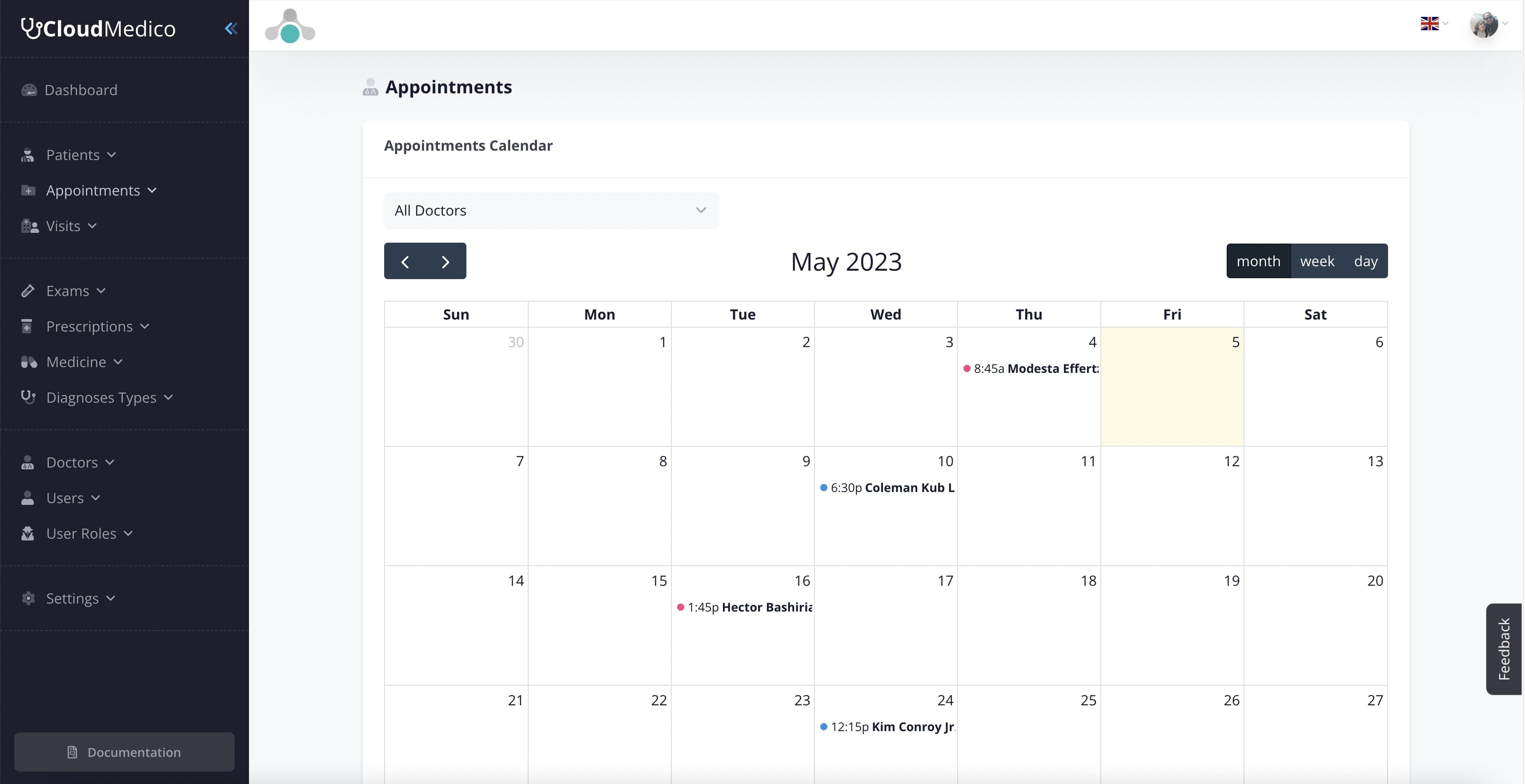
Easy Appointments Management
Latest from our Blog
Read all our latest news and takes on some industry topics.


Securely Connect ChatGPT and Claude to Your EHR with CloudMedico